

Bathrooms are one of the first places we see interior design trends on display. From counters and showers to hardware and lighting, there’s plenty of opportunity to infuse style—whether you want the space to match the rest of your home, or to feel like a portal into its own world.
As we look to 2026, new trends will take over bathrooms—knowing them will be important if you’re planning a renovation. Read on for seven trends that designers expect to dominate the zeitgeist, plus, some tips for integrating them into your home.

Interior designer Mikel Welch is noticing a growing interest in vanities that mimic furniture’s look, rather than being purely practical.
“Spindle legs, turned details, and heirloom-inspired profiles add warmth and charm,” he says. “Brands like James Martin Vanities are leaning into pieces that feel collected rather than built-in, which helps the bathroom read as a personal space.”

Material drenching is taking over bathrooms in 2026. Tile is now extending beyond just the shower—and even the walls. “[This] emphasizes the height of the bathroom and can make small [ones] look bigger than they are,” says interior designer Shamika Lynch. “It’s an easy luxury look to accomplish, with minimal additional effort.”

We’ll continue to embrace all things bold and vivid next year—namely, color drenching.
“We’ll see a move away from clinical white toward immersive color stories that wrap the room from trim to ceiling,” says Welch. “Muted but rich shades like olive, clay, tea rose, and dusty blue feel calm yet layered.”
One specific color Welch loves for this look? “Apollo Blue by Benjamin Moore,” he says. “It feels moody, European, and timeless, without becoming overwhelming.”
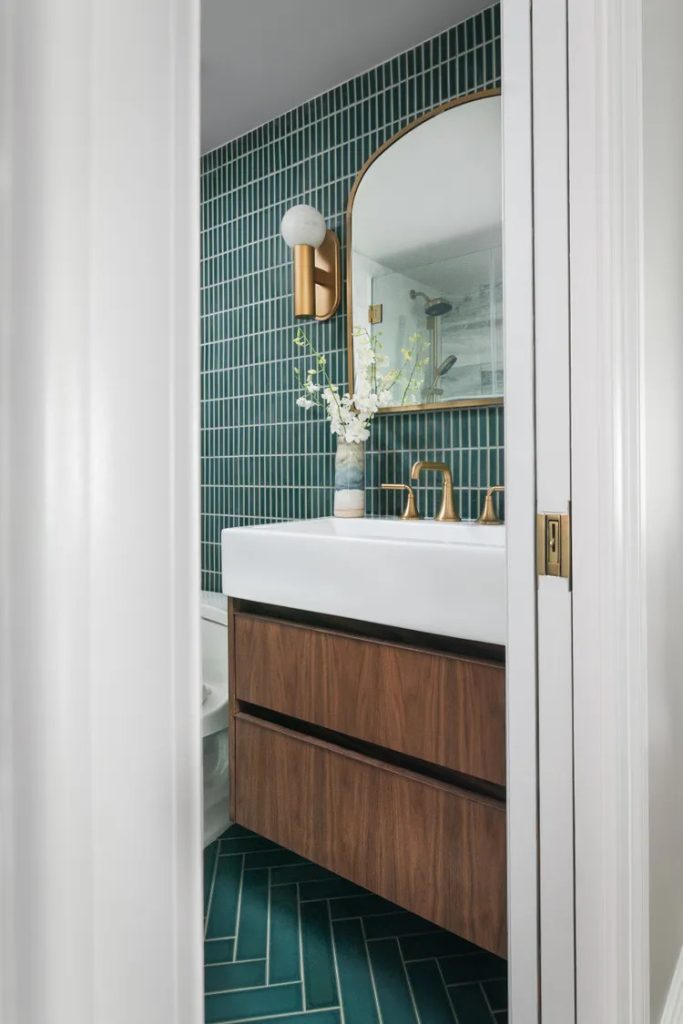
Many are forgoing classic white tile in favor of more eclectic choices, including hand-painted, Moroccan-inspired, and limestone tile. “These add artisanal warmth and texture, moving away from the cold polish of marble,” says interior designer Ayesha Usman. “Bold patterns and layered textures are making bathrooms more expressive.”

Chrome is coming back into style, but so are other metal finishes. “Metallics are all timeless, and we’ve used multiple tones throughout our designs,” says Lynch. “The common thread is that clients are mostly interested in contemporary stylings and clean lines.”
Usman suggests a combination of brass, bronze, and gunmetal. “We mostly use unlacquered brass for our projects for natural patina and [a] lived-in, aged look,” she adds.

While showers have been combined with tubs for years, Welch is expecting freestanding bathtubs to emerge as a standalone piece of self-care furniture in 2026.
“Homeowners want ritual and restoration, and the bathtub is returning as a sculptural centerpiece, rather than an optional feature,” he says. “Deep soaking tubs help create an at-home spa experience with quiet luxury energy.”

Earth tones will be more popular in bathrooms next year. “Browns, terracotta, and clay hues are replacing stark whites and grays,” Usman says.
The designer also anticipates natural textures taking over, whether it’s Roman clay or lime wash on the walls. Microcement is another material gaining steam. “[It’s a] sleek, seamless finish that works beautifully on walls, floors, and even vanities,” she says.



As we approach the end of Q4 2025, one of the most potent tax-planning tools in commercial real estate is again earning attention: accelerated depreciation. For owners, developers, and investors operating in the commercial property realm, it’s time to revisit how depreciation strategies can meaningfully impact cash flow, tax liability, and portfolio planning.
What is accelerated depreciation?
Under typical tax rules, commercial real estate buildings are depreciated over a long term—normally 39 years under the MACRS (Modified Accelerated Cost Recovery System). But accelerated depreciation refers to tactics by which components of the property are written off much faster (e.g., 5, 7 or 15 years) or in the first year via bonus depreciation.
Key enablers include:
A cost-segregation study to identify building components, fixtures, and land improvements that qualify for shorter lives.
Bonus depreciation rules (and related code provisions) that allow a large portion of eligible assets to be expensed immediately.
Why it’s back in the headlines
There are two major forces reigniting interest in accelerated depreciation:
Legislative and regulatory changes – Recent tax-law developments have boosted the importance of taking action sooner rather than later. For example, new rules under federal tax code make 100 % bonus depreciation available for qualifying assets placed in service after January 19, 2025.
Tighter cash-flow and higher cost of capital environment – With interest rates elevated and competition for quality commercial assets strong, property owners are keen to optimize tax deductions to enhance net operating income, free up liquidity and improve overall returns.
What This Means for You
Here are key implications:
Acquisition timing matters: When a property (or qualifying improvement) is placed into service can determine eligibility for full or partial bonus depreciation. Delays can mean missing the optimal window.
Importance of cost segregation: A rigorous study can move large portions of a building’s cost into shorter-life asset categories (5-, 7-, 15-year lives) and thereby accelerate depreciation. This accelerates tax deductions and improves early-year cash flow.
Mind the recapture risk: While the front-loaded deduction is beneficial, when the property is sold the depreciation taken will often be subject to recapture rules—so the long-term exit strategy must be aligned with tax planning.
Integration with other tax strategies: Accelerated depreciation doesn’t stand alone. It should sit alongside other strategic levers such as 1031 exchanges, Section 179 expensing, and active cost-management of capital expenditures.
Looking ahead
While the benefit of accelerated depreciation is strong today, changes to tax law always loom. The window of opportunity—especially for full bonus depreciation—is finite (12/31/2025) unless legislated otherwise. As with all tax-planning strategies, engaging a tax specialist or CPA is essential to navigate eligibility criteria, state-level conformity rules, asset classification and sale/exit implications.
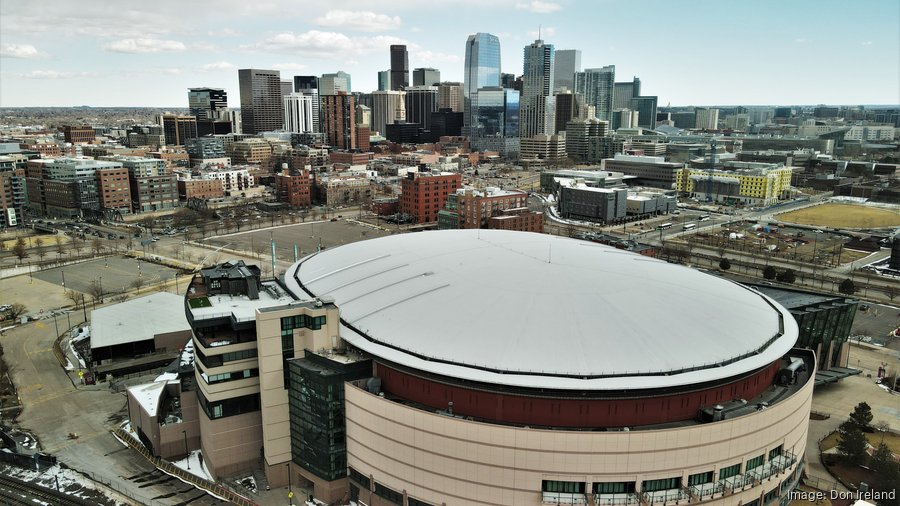
Denver’s city government is sorting out tens of millions of dollars in fees funding affordable housing, park land and other elements of a redevelopment project transforming 55 acres of parking lots around Ball Arena, the first phase of which is expected to be completed in seven years.
In a Denver City Council committee meeting on Wednesday, arena owner Kroenke Sports & Entertainment gave new insight into the timeline for the first phase of the development. The company has stated the overall redevelopment around Ball Arena — home of the Colorado Avalanche, Denver Nuggets and Colorado Mammoth — will take up to 30 years to complete, but the high-profile first phase could be done far sooner, according to Matt Mahoney, senior vice president of development for KSE.
“We’re projecting, as of now, build-out around Ball Arena by 2032,” Mahoney said.
The first part of the project is an entertainment district north and east of the existing 19,000-seat arena.
KSE revealed plans in April showing the company intends to develop a performance venue, a hotel and two residential buildings as part of that district. Mahoney stressed that things can change, but KSE currently anticipates all four of those buildings will be built by the end of 2032.
According to KSE submittals to the city, the performance venue will be around 128,000 square feet and include space for a restaurant on the ground floor. The venue, the hotel and two residential buildings will be connected by an underground parking structure.
The first element of the project to be built will be a pedestrian bridge that will span Speer Boulevard, connecting the development to downtown. In Wednesday’s meeting, Mahoney said construction for the bridge will start next year and be completed by 2029, at the latest.
The Ball Arena development will eventually cover nearly 70 acres of prime real estate next to downtown and include a new city park, affordable housing, retail and residential space.
During the council committee meeting, council members moved several parts of the Ball Arena development plan forward.
The first clarifies the environmental requirements and easements needed to eventually give land for the project’s public park to the city parks department. The second change aims to ensure the around 1,000 units of affordable housing in the project are spread out throughout the neighborhood by capping the number of units that can be part of the two fully affordable buildings that are part of the project.
“We’re adding a term in there of just limiting 300 units in two of the all-affordable towers when they get built, so that we also are limiting the size of the affordable units on the site and but then also making sure that there’s integration of affordable units to the balance of the site, trying to avoid the concentration,” Andrew Johnston, of Denver’s Department of Housing Stability, said at the meeting.
Mahoney added that the plan is to make 18% of the units in each building income-restricted.
The committee also approved a linkage fee and escrow structure under which KSE will pay about $39 million in fees on the Ball Arena project to be used by the city to support affordable housing.
For the River Mile development next door to the arena property, which KSE obtained full ownership of in June, the city will hold funds paid by KSE in escrow to help build affordable housing on the River Mile site.
To do that, the city is creating a special revenue fund to manage the accounts that will be held by ColoTrust.
“It is loosely understood and hopeful that probably the linkage fees will be used to support two towers that includes deeply affordable, including maybe some permanent supportive housing that’s required,” Johnston said.

You’ve got big plans for 2026. But what you do this year could be the difference between a smooth sale and a stressful one. If you’re thinking of selling next spring (the busiest season in real estate), the smartest move you can make is to start prepping now. As Realtor.com says:
“If you’re aiming to sell in 2026, now is the time to start preparing, especially if you want to maximize the spring market’s higher buyer activity.”
Because the reality is, from small repairs to touch-ups and decluttering, the earlier you start, the easier it’ll be when you’re ready to list. And, the better your house will look when it’s time for it to hit the market.
Talk to any good agent and they’ll tell you that you can’t afford to skip repairs in today’s market. There are more homes for sale right now than there have been in years. And since buyers have more to choose from, your house is going to need to look its best to stand out and get the attention it deserves.
Now, that doesn’t mean you have to do a full-on renovation. But it does mean you’ll want to tackle some projects before you sell. Your house will sell if it’s prepped right. And you don’t want to be left scrambling in the spring to get the work done.
Because here’s the advantage you have now. If you start this year, you’ll be able to space those upgrades and fixes out however you want to. More time. Less stress. No sense of being rushed or racing the clock.
Whether it’s fixing that leaky faucet, repainting your front door, or finally replacing your roof, you can do it right if you start now. And you have the time to find great contractors without blowing your budget or paying extra for rushed jobs.
To figure out what’s worth doing and what’s not in your market, you need to talk to a local agent early. That way you’re not wasting your time or money on something that won’t help your bottom line. As Realtor.com explains:
“Respondents overwhelmingly agree that both buyers and sellers enjoy a smoother, more successful experience when they start early. In fact, a recent survey reveals that, for sellers, bringing a real estate agent into the process sooner can pay off significantly.”
A skilled agent can tell you:
And having that information up front is a game changer.
To give you a rough idea of what may come up in that conversation, here are the most common updates agents are recommending today, according to research from the National Association of Realtors (NAR):
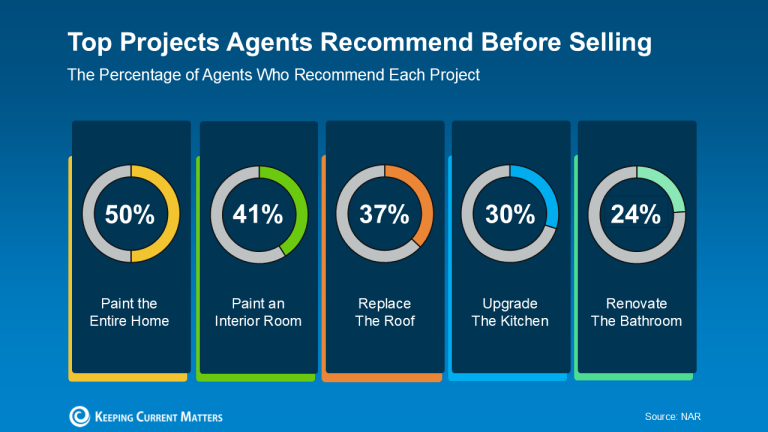
Just remember, what’s worth updating really depends on the homes you’re competing with in your market. Some areas don’t have a ton of inventory, so little updates may be all you need to tackle. In other areas, there are far more homes for sale, so you may need to do a bit more to make your house stand out.
Your agent will walk you through what you need to do for your specific house and market. And that’s expertise that’ll really pay off.
If 2026 is your year to sell, the work starts now. Taking some time to prep means you’ll hit the market confident, ready, and ahead of other sellers who waited until January to get started.
Want to know which projects are getting the biggest return on their investment in your market? Connect with a local agent so you can head into next spring with a solid game plan.

The original Opportunity Zone program is set to expire at the end of 2026, but that doesn’t mean it’s too late for the initiative to receive an upgrade.
The program, introduced during President Trump’s first term as part of the Tax Cuts and Jobs Act of 2017, will now see more than one-third of its designated areas classified as “rural.” That makes them eligible for a set of perks passed into law with this summer’s sweeping federal tax and spending legislation.
The Internal Revenue Service said in a notice released at the end of September that 3,309 of the 8,764 qualified opportunity zones that exist under the current program now qualify as “rural,” and the amount investors have to make to “substantially” improve a property is lowered from 100% of the investor’s investment in the property to 50%. Investors have 30 months to make the investment.
The IRS notice made it clear the new guidelines did not apply to the forthcoming and revamped Opportunity Zone program.
A list of all the zones that are now considered rural can be found here.
“It’s a pretty good deal,” said Dan Ryan, a partner at law firm Sullivan & Worcester who specializes in the Opportunity Zone program. “Hopefully it will help drive development in the rural areas.”
Even though the current program is winding down, Ryan stressed that organizations were still doing deals in designated opportunity zones even if they haven’t received all the benefits.
The benefits for investors putting their money into rural areas will carry forward into the new version of the program. In addition to existing Opportunity Zone benefits, investments are done on a rolling five-year deferral process. The new legislation retains the 10% step-up for five-year holdings but introduces a 30% step-up for investments in Qualified Rural Opportunity Funds.
That is in addition to the rule that would lower the “substantial improvement” threshold of existing structures from 100% to 50% in rural areas. Ryan said that could make these areas attractive to investors and developers that are interested in building new data centers.
“The need for new data centers are substantial and continue to go up,” Ryan said. “And they need space for those, and rural areas have space.”
The new program is set to go into motion soon. State governors are expected to name new opportunity zone areas by July 1, and the program would officially open for investment on January 1, 2027.
Experts have said business owners, landowners, investors and local governments should be preparing to engage with the new version of the program now, since the sunup to designating new zones is likely to be a time of intense lobbying.
That’s in large part because fewer areas will meet the qualifying criteria of the program in its second iteration. Congress narrowed the definition of “low-income community” to Census tracts with a poverty rate of at least 20% or a median household income that does not exceed 70% of the area median income. The current rules designate a low-income community as one with a poverty rate of at least 20% or a median household income of no more than 80% of an area’s median income.
States also previously were able to nominate a limited number of non-low-income tracts if they were contiguous to nominated low-income tracts and their median household income doesn’t exceed 125% of that neighboring low-income community’s median income. Under the new program, the term “low-income community” would not include any Census tract where the median household income is 125% or greater of the area median income.
The federal government has not yet published an official list of eligible tracts under the new law, but according to an analysis by The Business Journals of census tracts and the most recently available poverty data, about 26,000 tracts could meet the eligibility criteria for an Opportunity Zone designation under the parameters of the revamped program.
If governors were to then pick the maximum-allowed 25% of those sites to be Opportunity Zones, that would mean about 6,500 zones in the program — a nearly 26% drop from the number of available sites in the program’s first iteration. The original program found 42,176 census tracts eligible to be opportunity zones, with governors ultimately picking 8,764.
The projected figure is in line with other estimates that have found the number of eligible opportunity zones could fall by more than 20% under the new law. The Business Journals mapped out the potential census tracts that could be eligible.
Another key difference will be enhanced transparency, Ryan said, with the new law requiring more reporting and more data. That will help build trust and visibility in a program that had less openness the first time around.
“It’s going to make the whole process more transparent and by doing so it will build public support,” Ryan said. “This has overall been a net benefit to low-income areas.”
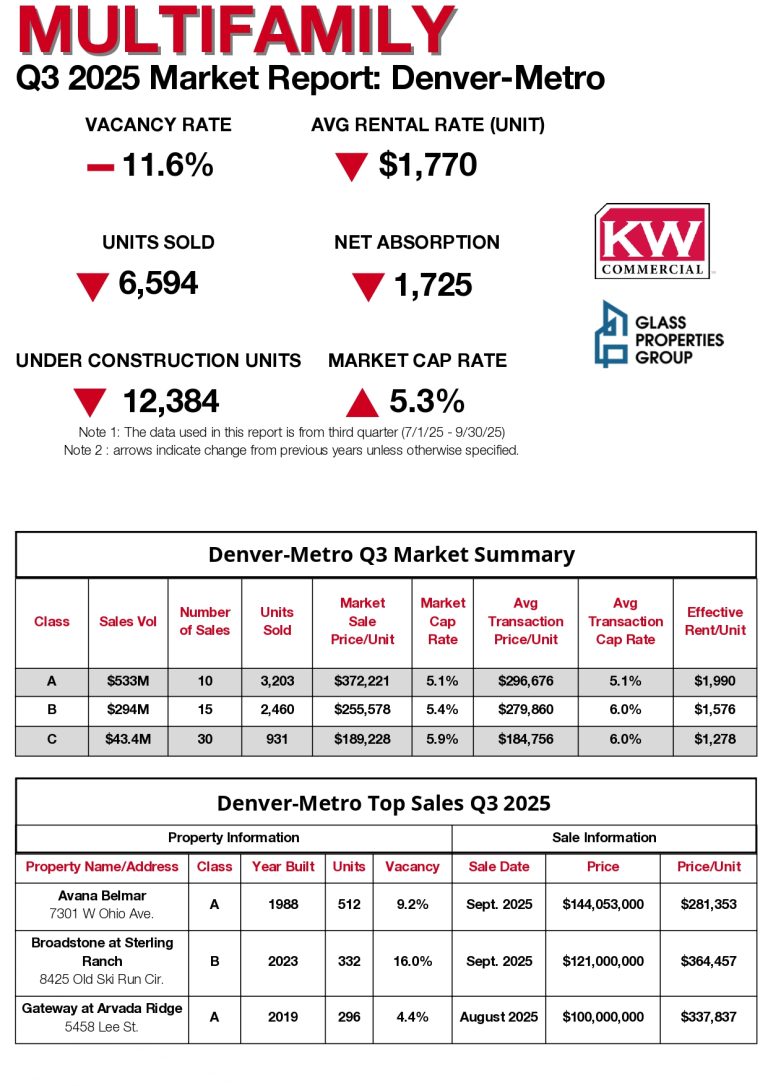

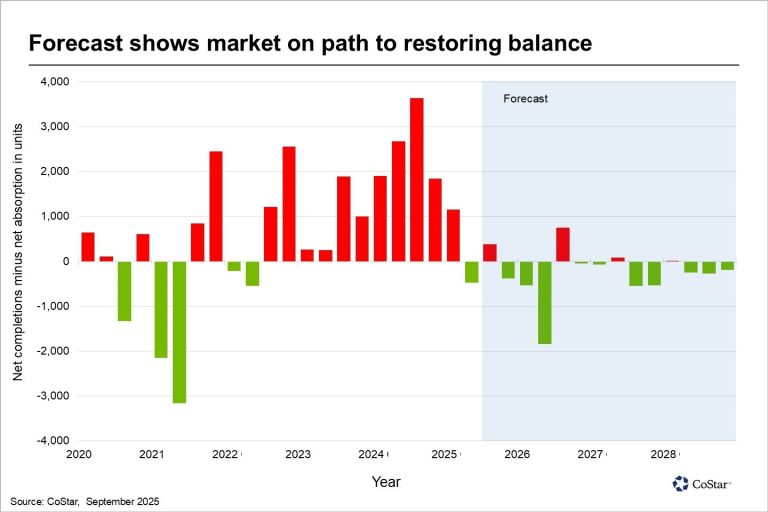
In an encouraging sign for local landlords and property managers, apartment demand in the Denver area pulled ahead of new construction for the first time in three years.
After 11 consecutive quarters of rising vacancy rates, renters leased about 475 more apartments than developers completed in the second quarter, CoStar data shows.
While Denver’s apartment market has likely turned a corner, the recovery is expected to be slow.
More than 51,000 apartments were developed from the second quarter of 2021 through the second quarter of 2025. During that time, net absorption — the difference in move-ins and move-outs — totaled roughly 30,500 units. This created a surplus of 20,500 units, increasing the overall vacancy rate from 5.5% midway through 2021 to the peak of 11.6% at the start of 2025.
However, an improving supply and demand balance brought vacancies down to 11.3% at the end of the second quarter, according to CoStar.
Another 12,200 units are in the pipeline. While the construction wave has cooled from the peak of 32,000 units underway in early 2023, the remaining units under construction will likely keep vacancies elevated in the near term as they are added to the market.
The elevated vacancy rate has forced Denver-area landlords to lower rents and offer generous concessions to compete for renters. Overall, rents are down 0.1% from the start of the year through the end of August.
Widespread concessions, such as several months of free rent, are largely the reason leases are getting signed, property managers have noted. Typically, concessions are limited to apartment complexes during lease-up, referring to properties that have been open for less than 18 months or haven’t reached at least 90% occupancy.
However, even stabilized properties are employing concessions as renters have more options than ever. Roughly half of Denver-area apartments are now offering some form of incentive.
Looking ahead, CoStar forecasts that supply and demand will end 2025 in equilibrium. However, vacancies will likely remain high this year, and rents aren’t projected to return to the long-term benchmark until 2026.

Colorado’s four-season climate brings plenty of beauty — but also a few homeowner responsibilities. One of the most important fall tasks is winterizing your sprinkler system. Skipping this step can lead to frozen pipes, burst lines, and costly repairs come spring. Here’s what every Colorado homeowner needs to know about blowing out their sprinklers and the right time to do it.
Our Colorado winters bring freezing temperatures that can quickly damage irrigation systems. Even a small amount of water left in your lines can freeze, expand, and crack:
Pipes – underground lines that are expensive to repair
Valves – critical for water control
Backflow preventers – one of the most vulnerable and costly parts to replace
A professional blowout uses compressed air to clear every last drop of water, ensuring your system stays intact through winter. Think of it as low-cost insurance against a much bigger repair bill.
Timing is everything. The first hard freeze along the Front Range usually arrives in late September to October. Higher elevations often see freezing temperatures earlier.
General guidelines:
Denver Metro (Aurora, Highlands Ranch, Boulder): Late September – Mid-October
Foothills & Mountain Communities (Evergreen, Conifer, Summit County): Early – Mid-September
Southern Colorado (Colorado Springs, Pueblo): Early – Mid-October
👉 Pro tip: Don’t wait for the freeze warning! By the time it’s on the forecast, contractors are already booked solid.
Turn off the system’s water supply
Connect an air compressor to the blowout port
Clear each zone with compressed air until only mist comes out
Shut down and disconnect, leaving valves slightly open for winter
Most homeowners prefer hiring a professional. The cost usually runs $60–$120 in the Denver area, depending on yard size and number of zones — far less than repairing frozen lines.
Book early: Sprinkler companies fill up fast in September and October
Protect your backflow preventer: It’s one of the most expensive components to fix
Mark your calendar: Add it to your annual fall home checklist (along with gutter cleaning and furnace servicing)
In Colorado, sprinkler blowouts aren’t optional — they’re essential. Schedule yours no later than mid-October in the Denver metro, and earlier in higher elevations. A quick appointment in the fall protects your system, your wallet, and your peace of mind.
👩💼 Need a Trusted Referral?
At Glass Properties Group, we keep a list of vetted local sprinkler professionals we trust for our clients and investment properties. Whether you’re winterizing your current home or preparing a rental property, we’re happy to connect you with reliable service providers.
📩 Contact us today for referrals — and stay ahead of Colorado’s next cold snap.