Major multifamily development coming to Arvada's Candelas

Candelas, a master-planned community in Arvada, is getting a new kind of housing option.


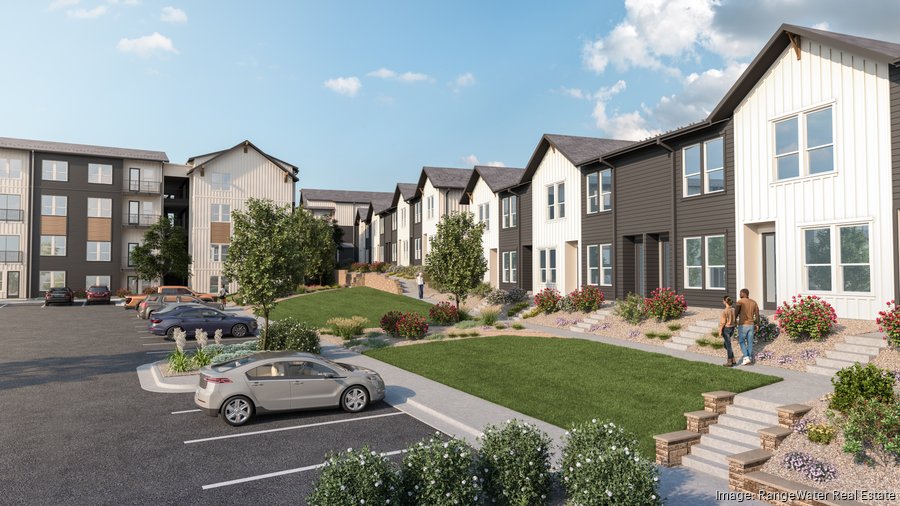
RangeWater Real Estate will soon start building a 324-unit apartment project to Candelas, representing the community’s only large multifamily development. In addition to the multifamily building, RangeWater plans to construct 56 townhomes on a 16-acre plot off West 91st Drive.


The project has been in the works for nearly five years and is finally taking shape, according to Jordan Orr, managing director for development at RangeWater.


“The city of Arvada has grown exponentially over the last decade or two and had to work through some infrastructure upgrades, addressing water and sewer upgrades through their municipal system,” Orr said. “We were a little bit on pause waiting for that to happen before we could get really started in earnest.”


With those upgrades in place, RangeWater is ready to break ground in September. According to public records filed in Jefferson County, RangeWater officially purchased the land for the project Aug. 13 for $8.25 million.


Georgia-based RangeWater is a fully integrated real estate firm that develops and manages properties.


The Candela’s development will be RangeWater’s fourth project in Colorado, bringing the total units it has developed in the state to over 1,100 once complete. The other three projects are Lupine Longmont, The Armory in Boulder and Ironworks on Fox, in Denver.


Public records from the Candela’s project show RangeWater has entered a contract with JHP Architecture/Urban Design PC and a construction agreement with CSI Construction Co. The LLC RangeWater used to purchase the land also took on a construction mortgage from PNC Bank of nearly $84 million.


Orr says a name for the development is likely to come in the next three to six months. After breaking ground in September, RangeWater plans to deliver the first units in spring 2027, Orr said.


RangeWater views metro Denver as a place with good fundamentals and lifestyle appeal despite population and job growth slowing over the last decade, Orr said.


“This is a place where people want to live,” he said. “We have a lot of high-income jobs. Development has become a lot more difficult, but there’s still opportunity here.”


RangeWater is partnering with TMGRI, a subsidiary of The Meridian Group. The Meridian Group is a Dallas-based company focused on development and investment in the Southeast, Texas, Arizona, and Colorado.


According to Orr, RangeWater wanted to invest in a multifamily project in Candelas because northwest Arvada lacks a multifamily housing supply.


The Apartment Association of Metro Denver found Jefferson County, where Candelas is located, has one of the lowest vacancy rates in metro Denver at 5.2% compared to the overall metro rate of 6.4%.


“We’re excited about the opportunity to build a multifamily product in a location that doesn’t have multifamily product today,” Orr said.


Candelas first started selling homes in 2012. According to the community website, only townhomes are left for sale. Earlier this year the Candelas Innovation Park secured an aerospace tenant as part of the community’s commercial offerings.


Orr says the community has been built very thoughtfully and RangeWater sees the location as a perk due to the access to Denver, Boulder and Broomfield as well as its mountain views.


The apartments in the new development will be one- and two-bedroom units ranging from 688 to 1,1196 square feet while townhomes will have two- and three- bedroom options from 1,246 to 1,823 square feet. According to RangeWater, features will include open floor plans, nine-foot ceilings and large balconies. The townhomes will have back patios and garages.


The development will also include a fitness club, pool and spa, dog park, community garden and a clubhouse with a co-working space and private offices inside.


Correction:

An earlier version of this story incorrectly spelled JHP Architecture.

 
By Catie Cheshire – Reporter, Denver Business Journal

͏ ‌     ͏ ‌     ͏ ‌     ͏ ‌     ͏ ‌     ͏ ‌     ͏ ‌     ͏ ‌     ͏ ‌     ͏ ‌     ͏ ‌     ͏ ‌     ͏ ‌     ͏ ‌     ͏ ‌     ͏ ‌     ͏ ‌     ͏ ‌     ͏ ‌     ͏ ‌     ͏ ‌     ͏ ‌     ͏ ‌     ͏ ‌     ͏ ‌     ͏ ‌     ͏ ‌     ͏ ‌     ͏ ‌     ͏ ‌     ͏ ‌     ͏ ‌     ͏ ‌     ͏ ‌     ͏ ‌     ͏ ‌     ͏ ‌     ͏ ‌     ͏ ‌     ͏ ‌     ͏ ‌     ͏ ‌     ͏ ‌     ͏ ‌     ͏ ‌     ͏ ‌     ͏ ‌     ͏ ‌     ͏ ‌     ͏ ‌     ͏ ‌     ͏ ‌     ͏ ‌     ͏ ‌     ͏ ‌     ͏ ‌     ͏ ‌     ͏ ‌     ͏ ‌     ͏ ‌     ͏ ‌     ͏ ‌     ͏ ‌     ͏ ‌     ͏ ‌     ͏ ‌     ͏ ‌     ͏ ‌     ͏ ‌     ͏ ‌     ͏ ‌     ͏ ‌     ͏ ‌     ͏ ‌     ͏ ‌     ͏ ‌     ͏ ‌     ͏ ‌     ͏ ‌     ͏ ‌     ͏ ‌     ͏ ‌     ͏ ‌     ͏ ‌     ͏ ‌     ͏ ‌     ͏ ‌     ͏ ‌     ͏ ‌     ͏ ‌     ͏ ‌     ͏ ‌     ͏ ‌     ͏ ‌     ͏ ‌     ͏ ‌     ͏ ‌     ͏ ‌     ͏ ‌     ͏ ‌     ͏ ‌     ͏ ‌     ͏ ‌     ͏ ‌     ͏ ‌     ͏ ‌     ͏ ‌     ͏ ‌     ͏ ‌     ͏ ‌     ͏ ‌     ͏ ‌     ͏ ‌     ͏ ‌     ͏ ‌     ͏ ‌     ͏ ‌     ͏ ‌     ͏ ‌     ͏ ‌     ͏ ‌     ͏ ‌     ͏ ‌     ͏ ‌     ͏ ‌     ͏ ‌     ͏ ‌     ͏ ‌     ͏ ‌     ͏ ‌     ͏ ‌     ͏ ‌     ͏ ‌     ͏ ‌     ͏ ‌     ͏ ‌     ͏ ‌     ͏ ‌     ͏ ‌     ͏ ‌     ͏ ‌     ͏ ‌     ͏ ‌     ͏ ‌     ͏ ‌     ͏ ‌     ͏ ‌     ͏ ‌     ͏ ‌     ͏ ‌     ͏ ‌     ͏ ‌     ͏ ‌     ͏ ‌     ͏ ‌     ͏ ‌     ͏ ‌     ͏ ‌     ͏ ‌     ͏ ‌     ͏ ‌     ͏ ‌     ͏ ‌     ͏ ‌     ͏ ‌     ͏ ‌     ͏ ‌     ͏ ‌     ͏ ‌     ͏ ‌     ͏ ‌     ͏ ‌     ͏ ‌     ͏ ‌     ͏ ‌     ͏ ‌     ͏ ‌     ͏ ‌     ͏ ‌     ͏ ‌     ͏ ‌     ͏ ‌     ͏ ‌     ͏ ‌     ͏ ‌     ͏ ‌     ͏ ‌     ͏ ‌     ͏ ‌     ͏ ‌     ͏ ‌     ͏ ‌     ͏ ‌     ͏ ‌     ͏ ‌     ͏ ‌     ͏ ‌     ͏ ‌     ͏ ‌     ͏ ‌     ͏ ‌     ͏ ‌     ͏ ‌     ͏ ‌     ͏ ‌     ͏ ‌     ͏ ‌     ͏ ‌     ͏ ‌     ͏ ‌     ͏ ‌     ͏ ‌     ͏ ‌     ͏ ‌     ͏ ‌     ͏ ‌     ͏ ‌     ͏ ‌     ͏ ‌     ͏ ‌     ͏ ‌     ͏ ‌     ͏ ‌     ͏ ‌     ͏ ‌     ͏ ‌     ͏ ‌     ͏ ‌     ͏ ‌     ͏ ‌     ͏ ‌     ͏ ‌     ͏ ‌     ͏ ‌     ͏ ‌     ͏ ‌     ͏ ‌     ͏ ‌     ͏ ‌     ͏ ‌     ͏ ‌     ͏ ‌     ͏ ‌     ͏ ‌     ͏ ‌     ͏ ‌     ͏ ‌     ͏ ‌     ͏ ‌     ͏ ‌     ͏ ‌     ͏ ‌     ͏ ‌     ͏ ‌     ͏ ‌     ͏ ‌     ͏ ‌     ͏ ‌     ͏ ‌     ͏ ‌     ͏ ‌     ͏ ‌     ͏ ‌     ͏ ‌     ͏ ‌     ͏ ‌     ͏ ‌     ͏ ‌     ͏ ‌     ͏ ‌     ͏ ‌     ͏ ‌     ͏ ‌     ͏ ‌     ͏ ‌     ͏ ‌     ͏ ‌     ͏ ‌     ͏ ‌     ͏ ‌     ͏ ‌     ͏ ‌     ͏ ‌     ͏ ‌     ͏ ‌     ͏ ‌     ͏ ‌     ͏ ‌     ͏ ‌     ͏ ‌     ͏ ‌     ͏ ‌     ͏ ‌     ͏ ‌     ͏ ‌     ͏ ‌     ͏ ‌     ͏ ‌     ͏ ‌     ͏ ‌     ͏ ‌     ͏ ‌     ͏ ‌     ͏ ‌     ͏ ‌     ͏ ‌     ͏ ‌     ͏ ‌     ͏ ‌     ͏ ‌     ͏ ‌     ͏ ‌     ͏ ‌     ͏ ‌     ͏ ‌     ͏ ‌     ͏ ‌     ͏ ‌     ͏ ‌     ͏ ‌    ­ ­ ­ ­ ­ ­ ­ ­ ­ ­ ­ ­ ­ ­ ­ ­ ­ ­ ­ ­ ­ ­ ­ ­ ­ ­ ­ ­ ­ ­ ­ ­ ­ ­ ­ ­ ­ ­ ­ ­ ­ ­ ­ ­ ­ ­ ­ ­ ­ ­ ­ ­ ­ ­ ­ ­ ­ ­ ­ ­ ­ ­ ­ ­ ­ ­ ­ ­ ­ ­ ­ ­ ­ ­ ­ ­ ­ ­ ­ ­ ­ ­ ­ ­ ­ ­ ­ ­ ­ ­ ­ ­ ­ ­ ­ ­ ­ ­ ­ ­ ­ ­ ­ ­ ­ ­ ­ ­ ­ ­ ­ ­ ­ ­ ­ ­ ­ ­ ­ ­ ­ ­ ­ ­ ­ ­ ­ ­ ­ ­ ­ ­ ­ ­ ­ ­ ­ ­ ­ ­ ­ ­ ­ ­ ­ ­ ­ ­ ­ ­ ­ ­ ­ ­ ­ ­ ­ ­ ­ ­ ­ ­ ­ ­ ­ ­ ­ ­ ­ ­ ­ ­ ­ ­ ­ ­ ­ ­ ­ ­ ­ ­ ­ ­ ­ ­ ­ ­ ­ ­ ­ ­ ­ ­ ­ ­ ­ ­ ­ ­ ­ ­ ­ ­ ­ ­ ­ ­ ­ ­ ­ ­ ­ ­ ­ ­ ­ ­ ­ ­ ­ ­ ­ ­ ­ ­ ­ ­ ­ ­ ­ ­ ­ ­ ­ ­ ­ ­ ­ ­ ­ ­ ­ ­ ­ ­ ­ ­ ­ ­ ­ ­ ­ ­ ­ ­ ­ ­ ­ ­ ­ ­ ­ ­ ­ ­ ­ ­ ­ ­ ­ ­ ­ ­ ­ ­ ­ ­ ­ ­ ­ ­


SUMMARY

HIGHLIGHTS


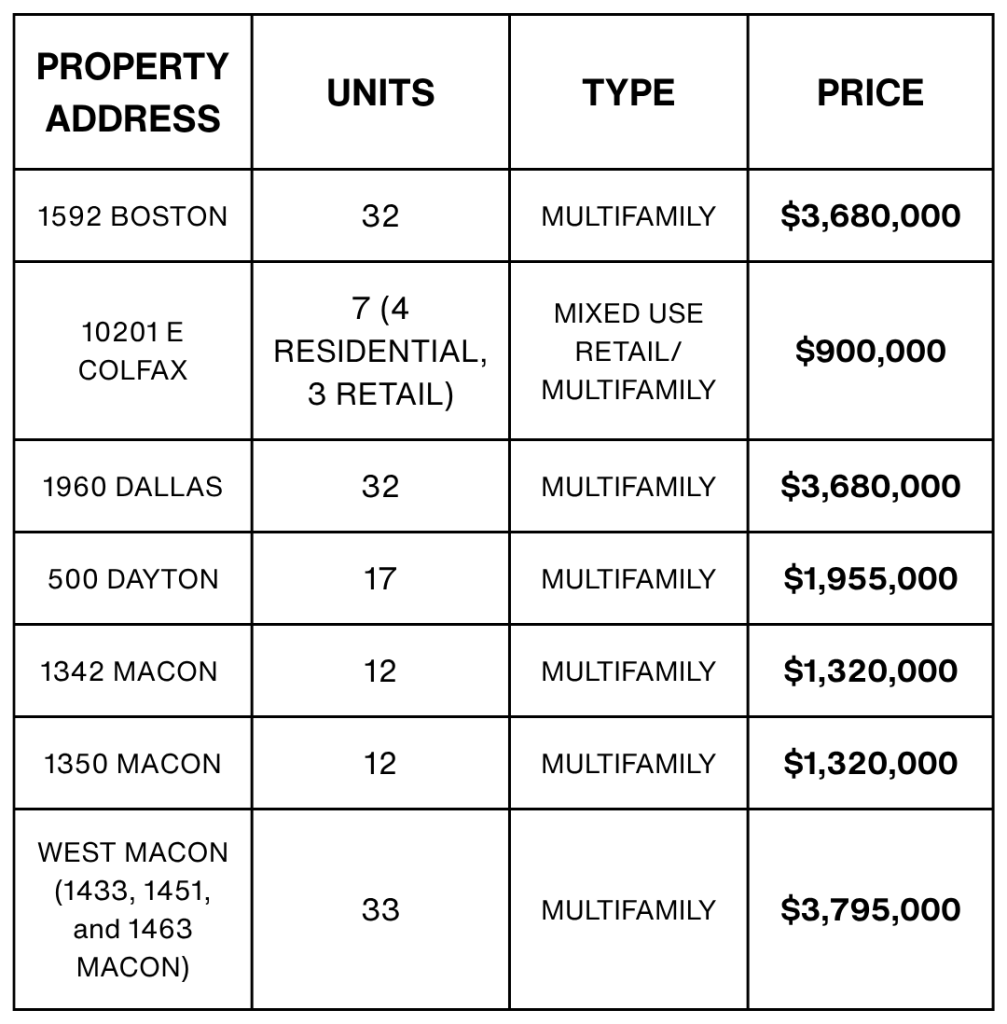
  • • Portfolio of 9 Multifamily Buildings in the 80010 zip code | 145 Units


  • • Year-End Acquisition Opportunity: Unlock substantial first-year tax deductions through cost segregation and accelerated depreciation


  • • Massive Price Drop: $19M → $16.65M


  • • Short Sale / Pre-Foreclosure Status


  • • All Offers Must be Submitted to Lenders for Approval


  • • Cash or Bridge Financing Preferred


  • • 30–60 Day Close Target


  • • Sold As-Is


ADDITIONAL PHOTOS


This email was sent to << Test Email Address >>

why did I get this?    unsubscribe from this list    update subscription preferences

Keller Williams Integrity, Cherry Creek Denver · 4500 E Cherry Creek S Dr #260 · Glendale, CO 80246 · USA

New law aims to stamp out one growing headache for homebuyers

Federal legislation that’s set to become law is expected to provide relief to prospective homebuyers from what’s become a major procedural headache.


The Homebuyers Privacy Protection Act, which has passed both the House and Senate and is awaiting President Trump’s signature, would curb the use of so-called “trigger leads,” thereby cutting back on what is often a flood of phone calls and texts buyers experience when they apply for a mortgage.


When a buyer applies for a mortgage, a professional runs a check on that person’s credit. Credit agencies — and often third-party marketing firms — then alert other mortgage lenders and intermediaries that the person is looking for a mortgage, essentially selling them the opportunity to reach out to the buyer. 


The trigger-lead practice has become a bigger problem in recent years. Buyers have become inundated with unsolicited calls and offers of mortgages, leaving them to contend with much more than decade-high mortgage rates that have only recently begun to fall when they apply for a mortgage.


“Over the past several years, the abusive use of trigger leads has flooded consumers applying for a home loan with unwanted, often deceptive calls and texts that confuse and frustrate borrowers,” said Peter Idziak, a senior associate at Polunsky Beitel Green, a law firm for residential mortgage lenders. “Unfortunately, any hypothetical benefit a consumer might obtain from an unsolicited offer of credit has been drowned out by the volume and nature of these unwanted solicitations.”


Idziak said some consumers have reported more than 100 messages within a day of applying for a mortgage. Others have reported receiving calls from individuals who implied they were calling on behalf of the prospective buyer’s targeted lender. Still others have said they’ve been offered rates and fees for which they would not actually qualify.


“The fact that the act passed the Senate unanimously and without objection in the House underscores how pervasive and problematic this issue has become,” Idziak said.


The legislation does provide for some exceptions, Idziak said.


For example, it allows third parties to contact a consumer to provide a firm offer of credit, but only under certain circumstances — like if the consumer already had a bank account or current mortgage with that party, Idziak said.


The legislation is set to take effect 180 days after being signed by President Trump. The Government Accountability Office has one year to provide a report on the value of trigger leads received by text message.


The Mortgage Bankers Association also applauded the passage of the legislation, which it called “a long-overdue measure” that would put an end to what it said were abusive trigger leads. 


“This new law will help protect consumers from the barrage of unwanted calls, texts and emails they too often receive immediately after applying for a mortgage. It marks a major victory for borrowers and will create a more efficient, responsible and respectful home buying process,” said MBA CEO Bob Broeksmit in a statement.


Potential impact of the legislation

The new legislation is expected to cut down on millions of unwanted calls and texts going to consumers. There are millions of new mortgages every year, according to real estate data firm Attom, which found 1.28 million mortgages were secured on residential property in the first quarter of 2025. That’s down about 70% since the red-hot real estate market of 2021.


Still, the mortgage process — and the trigger leads that have come with it — is just one aspect of what’s been a shifting housing market in the first half of 2025 that’s featured increasing inventory and price cuts in a number of once-hot markets. A generational divide also has developed, with about 43% of baby boomers saying they will never sell their home, the highest of any generational group, according to a survey of U.S. residents ages 18 to 65 by real estate firm Redfin Corp. (Nasdaq: RDFN). The biggest single reason cited for staying in place is that their home is almost or completely paid off, while others say they like where they live.


An earlier recent Redfin analysis showed that just 25 out of every 1,000 U.S. homes changed hands in the first eight months of 2024, the lowest mark in decades. With home prices up about 40% since the start of the pandemic, and current mortgage rates far higher than they were in 2019, moving isn’t as attractive to people who don’t have to relocate.


While it’s typical for older Americans to occupy a larger share of homeownership, the share of homes owned by Americans older than 55 years grew from 44.3% in 2008 to 54% in 2023, according to a study by Construction Coverage. Meanwhile, Americans ages 35 to 54 saw a decline in homeownership, with their share dropping from 42.3% in 2008 to 34% in 2023.


Baby boomers specifically, who were between the ages of 60 and 78 in 2024, account for 20% of the population but make up more than 37% of homeowners nationwide.


By Andy Medici –  Senior Reporter, The Playbook, The Business Journals,
Aug 6, 2025